As remote working has become a more common employment model worldwide, companies have adapted their processes to support distributed teams. This shift has increased the importance of digital collaboration, flexible work policies and new approaches to managing employees who are not always in the same location. Recent workplace studies have examined how remote and hybrid work models influence employee flexibility, productivity and organizational practices.
What Does Remote Working Offer Employees?
Remote working lets you do your job outside a traditional office, usually from home or another location with reliable internet. You may work for a company in your own city or join a team spread across several countries. Here are some of the biggest benefits of working from home, including more flexibility, access to a wider choice of jobs, and no commuting.
You Can Apply for Jobs Beyond Your Area
When morning rush hour is no longer part of the equation, your job search can stretch far beyond your city. You might find a company in another part of the country or even join a team with employees around the world. More options give you a better chance of finding work.
You Save Time and Money on Commuting
Even a short commute adds time to your workday. If you normally spend 30 minutes traveling each way, working from home gives you an extra hour for a slower morning, more sleep, exercise, or time with your family.
There can be financial savings too. You may spend less on gas, train fares, parking, lunches, and office clothes. You’ll probably have some extra costs at home, like electricity or faster internet, but many people still find that remote work lowers their everyday expenses. 
You Have More Control Over Your Work Environment
You don’t get much say over the lighting, temperature, or noise level in most offices. At home, you can create your ideal setup. That might mean working near a window, putting on music while you work, or keeping the room warmer or cooler without negotiating with everyone around you.
You Can Build a Schedule Around Your Life
Some remote jobs let you choose when you start and finish, as long as you complete your work and attend scheduled meetings. Flexibility can make it easier to handle school drop-offs, medical appointments, exercise, or other parts of your life.
Some companies expect everyone to follow a fixed schedule or be available during certain hours. Check the listing carefully so you understand what “remote” means for that particular employer.
You May Find It Easier to Focus
Remote working can improve concentration when employees have a dedicated workspace, clear routines and fewer interruptions during their tasks. Factors such as noise levels, home organization and the ability to separate work and personal activities can influence productivity. However, working remotely does not automatically guarantee better focus, as distractions at home can affect each person differently.
You might also be interested in: How to Prepare for a Remote Job Interview.
You Can Develop Unique Skills
Teams often rely on tools such as Microsoft Teams, Zoom or Slack to coordinate projects, share updates and maintain collaboration when employees are distributed across different locations. Using these platforms helps employees improve digital communication, task management and collaboration skills.
You’ll also learn how to manage your time, keep other people updated, and ask for what you need without waiting for someone to stop by your desk. Those habits can make you a stronger independent worker and support the other career benefits of remote work.
Who Benefits Most From Remote Working?
Remote working can be especially beneficial for professionals whose responsibilities depend mainly on digital tools, communication platforms and independent task management. Employees who need fewer face-to-face interactions or can measure their results through completed projects often adapt more easily to this work model.
This way of working may suit people who value autonomy, have strong organization skills and can create a productive workspace at home. It can also be useful for employees who want access to companies located outside their city or country.
How Companies Support Successful Remote Work
Successful remote work depends not only on employees but also on how companies organize their teams. Businesses can experience several benefits of working from home for employers, such as access to wider talent pools, improved flexibility in team management and potential reductions in office-related costs. To achieve these results, companies often use remote management practices, clear communication processes and digital collaboration tools to keep projects on track. 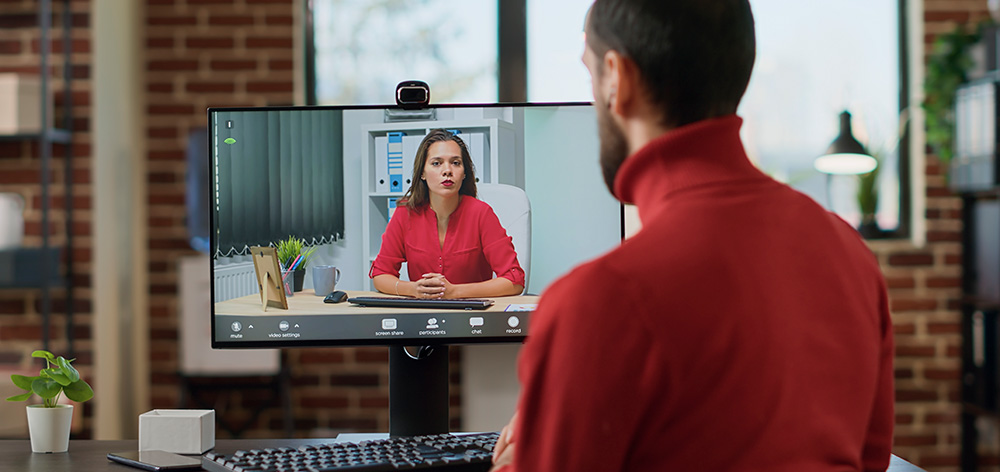
Is Remote Working Right for You?
Remote work has advantages, but your experience will depend on the company and position. Before applying, check the expected hours, location restrictions, and communication style, and read up on remote job interview tips.
Find Your Next Remote Opportunity
RemotePro connects candidates with companies hiring around the world. Explore open remote roles and find opportunities that fit your skills, experience, and preferred way of working.